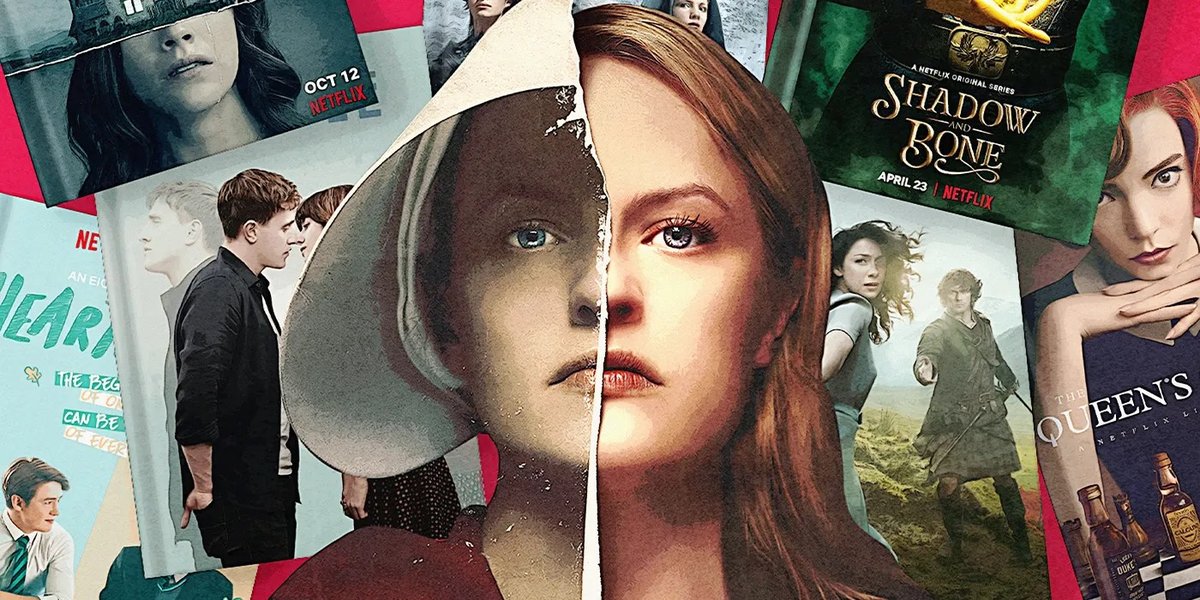
When a beloved book makes the leap to the big or small screen, there's often one burning question on every fan's mind: "Did they get the characters right?" The intricate art of Book-to-Screen Character Adaptations & Casting Choices isn't just about finding an actor who looks the part; it's about discovering someone who can channel the very soul of a literary creation, defining iconic roles for a new generation. This delicate balance of fidelity, interpretation, and undeniable charisma can either elevate a story to legendary status or leave audiences feeling utterly betrayed.
Translating a character from the boundless inner world of a novel to the visual, dialogue-driven reality of film is one of Hollywood's most challenging yet rewarding endeavors. When done well, a film adaptation doesn't just recreate a story; it redefines it, often making the characters more vivid and impactful than even their creators might have imagined.
At a Glance: Mastering Book-to-Screen Character Adaptations
- It's More Than Looks: Great casting goes beyond physical resemblance; it's about capturing a character's essence, internal life, and dramatic arc.
- The "Perfect" Fit: Certain actors seem destined for roles, embodying protagonists, villains, or audience surrogates so completely that they become inseparable from the character.
- Narrative Trade-offs: Screen adaptations often condense backstories, inner monologues, and family dynamics, prioritizing action and visual storytelling.
- Gains and Losses: While screen adaptations can offer immediate visual impact and charismatic performances, they may sacrifice the intricate internal worlds that books deeply explore.
- Fan Expectations: Adapters must navigate a tightrope walk between honoring the source material and making necessary changes for the visual medium, all while managing passionate fanbases.
- Defining Legacy: Successful adaptations, particularly with impeccable casting, can cement a character's place in popular culture, sometimes even surpassing the source material's reach.
The Alchemist's Touch: Why Character Adaptation is So Tricky
Imagine spending weeks, months, or even years immersed in a character's mind. You know their deepest fears, their most fleeting thoughts, the exact way their heart aches. Now, imagine trying to package all of that into a two-hour visual narrative. This is the tightrope walk that screenwriters, directors, and casting directors face.
Books allow for expansive internal monologues, intricate backstories told over hundreds of pages, and character development that unfolds at a reader's own pace. On screen, every glance, every line, every action must convey volumes without the luxury of prose. This fundamental difference means that characters, no matter how beloved, must undergo a transformation. Sometimes, this leads to an evolution that feels perfectly natural; other times, it can lead to a character feeling fundamentally altered.
The ultimate goal, of course, is to find that perfect actor who doesn't just play the character but becomes them. An actor's ability to embody a pivotal protagonist, a chilling villain, or a relatable audience surrogate is often the lynchpin for an adaptation's success, making the story relevant, resonant, and often, unforgettable.
When Lightning Strikes: Iconic Casting That Got It Right
Sometimes, an actor steps into a role and the cinematic universe just... clicks. These aren't just good performances; they are definitive portrayals that etch themselves into our collective consciousness, often forever linking the actor with the character. Here are some legendary examples where casting directors nailed it, elevating the story and, in some cases, even exceeding the source material:
Robert Downey Jr. as Tony Stark (Iron Man)
Before the MCU was a global phenomenon, Robert Downey Jr. was a talented actor with a complex public profile. His casting as Tony Stark was a stroke of genius. He perfectly embodied the iconic superhero with peak human intelligence, quick wit, and a charisma that made even his flaws endearing. RDJ's powerful redemption arc and eventual final sacrifice became the emotional core of the entire MCU, driving its unprecedented success and making Tony Stark one of the most beloved characters in modern cinema. You simply cannot imagine anyone else in the suit.
Jim Carrey as Stanley Ipkiss (The Mask)
Jim Carrey's unique comedic genius found its ultimate canvas in Stanley Ipkiss, a mild-mannered bank clerk who transforms into a zany, cartoonish antihero. His expressive face, unparalleled physical comedy, and boundless energy seamlessly blended with charismatic charm, bringing the animated violence and over-the-top antics of the comic book character to life. Carrey's performance wasn't just acting; it was a showcase of his singular talents, making The Mask an enduring comedy classic.
Timothée Chalamet as Paul Atreides (Dune)
Bringing Frank Herbert's monumental sci-fi epic to the screen required an actor who could embody both the fragility and the immense burden of Paul Atreides. Timothée Chalamet’s casting was inspired. His appearance matched the book's description of a young, intense noble, and he deftly embodied one of 20th-century sci-fi's most influential antihero protagonists. Chalamet captured Paul's internal struggle, his reluctant embrace of destiny, and his journey from privileged youth to messianic leader with a quiet intensity that resonated deeply with both new audiences and long-time fans.
Michael Cera as Scott Pilgrim (Scott Pilgrim vs. The World)
For many, Michael Cera is Scott Pilgrim. His innate awkwardness, deadpan humor, and endearing vulnerability perfectly matched the slacker musician from Bryan Lee O'Malley's graphic novels. Cera brought an authenticity to Scott's journey of battling seven evil exes for the girl of his dreams, making him both relatable and hilarious. It’s no surprise that Cera will reprise the role in "Scott Pilgrim Takes Off," a testament to his definitive portrayal.
Elijah Wood as Frodo Baggins (The Fellowship of the Ring)
Casting the central figure of J.R.R. Tolkien's The Lord of the Rings was crucial. At just 18 when production began, Elijah Wood's expressive, wide eyes and earnest demeanor perfectly captured Frodo's understated courage and profound sense of duty. He made Frodo’s arduous journey to destroy the One Ring relatable and compelling, carrying the weight of the world on his small shoulders with a quiet strength that anchored the entire epic saga.
Emma Watson as Hermione Granger (Harry Potter and the Sorcerer's Stone)
From her very first appearance, Emma Watson embodied Hermione Granger with a remarkable understanding of the character. She brought Hermione's sharp wit, unwavering loyalty, and formidable intelligence to the forefront, combined with a natural poise and articulate delivery. Watson's portrayal made a strong case for Hermione as the series' real hero, inspiring a generation of young readers and solidifying her place as one of fantasy's most beloved characters.
Anthony Hopkins as Hannibal Lecter (The Silence of the Lambs)
In just sixteen minutes of screen time, Anthony Hopkins redefined villainy. His portrayal of Hannibal Lecter blended chilling intelligence with lurking menace, conveying a calm demeanor that hinted at unimaginable darkness beneath the surface. Hopkins didn't just play a monster; he played a highly cultured, terrifyingly brilliant psychopath, earning an Academy Award and creating an iconic character that has haunted moviegoers for decades.
Ron Perlman as Hellboy (Hellboy)
Guillermo del Toro’s vision for Hellboy required a specific type of actor, and Ron Perlman was that actor. His imposing physicality and gravelly voice authentically brought the demonic protagonist to life. Perlman didn't shy away from Hellboy's gruff exterior, but he also perfectly captured the character's complex personality – his dry wit, his longing for acceptance, and his deep-seated humanity despite his origins. His performance cemented his status as the definitive live-action Hellboy for many fans.
Denzel Washington as Troy Maxson (Fences)
Stepping into the shoes of August Wilson's iconic character, Denzel Washington brought a commanding presence and powerful acting prowess to Troy Maxson. As both star and director, Washington captured the profound complexity of a man grappling with racial injustice, personal failures, and unfulfilled dreams. He imbued Troy's aspirations and struggles with immense emotional depth, making his performance a tour de force that resonates with the raw, uncompromising power of the play.
Meryl Streep as Miranda Priestly (The Devil Wears Prada)
Meryl Streep's Miranda Priestly is a masterclass in nuanced villainy. Effortlessly embodying the icy and formidable fashion editor, Streep combined elegance with an unquestionable authority. Her impeccable delivery and subtle performance showcased Miranda's power without resorting to histrionics, making her both terrifying and oddly compelling. Streep didn't just act; she became a force of nature, elevating Miranda Priestly into an iconic cinematic figure and a cultural touchstone for demanding bosses everywhere.
The Inevitable Evolution: When Book Characters Meet the Screen
Even with the best intentions and most talented casts, characters often undergo significant transformations when transitioning from page to screen. This isn't always a flaw; sometimes, it's a necessity imposed by the demands of a visual medium. Understanding these shifts helps us appreciate both versions for their unique strengths.
Case Study: Alex Cross — From Inner World to Outward Action
James Patterson's Alex Cross novels have captivated millions with their blend of psychological thriller and intimate family drama. On screen, however, the character tends to shift.
Alex Cross in Books: A Deep Dive into the Mind
In James Patterson's novels, Alex Cross is a multi-dimensional figure. He's not just a brilliant psychologist and detective but a deeply empathetic man, constantly grappling with the darkness he encounters. The first-person narration provides unparalleled access to his inner thoughts, fears, and moral quandaries. His family—Nana Mama, his children—aren't just background characters; they provide grounding, emotional stakes, and often serve as a sanctuary from his work. His psychological acumen is consistently central to his crime-solving, making him a detective who understands the "why" as much as the "how."
Alex Cross on Screen: A Shift in Focus
When Alex Cross has been brought to the screen by actors like Morgan Freeman and Tyler Perry, while his intelligence and determination often shine through, certain nuances are frequently lost:
- Shift in Perspective: First-person narration, which defines Cross in the books, is inherently difficult to replicate visually. This often leads to Cross being perceived as more stoic, quiet, or action-driven on screen, as the narrative relies more on dialogue and visual cues rather than his internal monologue.
- Family Dynamics: To prioritize the central crime narrative and condense runtime, Cross's rich family relationships are often streamlined, condensed, or even sidelined. This diminishes some of the emotional stakes and the personal dimension that makes him so relatable in print.
- Physicality vs. Psychology: The visual medium often leans towards action and external conflict. The emphasis can shift from Cross's profound psychological acumen and cerebral deduction to more active scenes, such as fights, chases, or direct confrontations. While still intelligent, his cerebral moments may be overshadowed by more visually dynamic action sequences.
Why Do Characters Change in Adaptation? The Forces at Play
These character shifts aren't arbitrary; they stem from inherent differences between mediums and the practicalities of filmmaking.
- Time Constraints: A novel can stretch to hundreds of thousands of words, offering ample room for backstories, subplots, and deep character introspection. A film typically has a runtime of 90-180 minutes. This limited canvas necessitates trimming, combining characters, and often simplifying arcs.
- Audience Expectations: Moviegoers often come to the cinema expecting fast-paced action, visual drama, and clear-cut narratives. Deep, slow-burn character development, while treasured by readers, might not translate well to a mass theatrical release, especially for genre films.
- Medium Differences: Books allow you to dive deep into a character's inner world, explaining their motivations, thoughts, and feelings directly. Movies, however, rely on external actions, expressions, and dialogue to convey character. "Show, don't tell" is the cinematic mantra, which means inner monologues rarely make the cut.
- Casting Choices and Actor's Interpretation: Once an actor is cast, their interpretation, physical presence, and unique talents can subtly (or overtly) alter the character's portrayal. An actor might bring a gravitas, a comedic timing, or a vulnerability that reshapes how the character is perceived, sometimes deviating from the book's original intent.
- Narrative Focus: Adaptations often choose a specific narrative thread or theme to emphasize, leading to certain aspects of a character being highlighted while others recede. For instance, a character's romantic life might be amplified, while their political activism is minimized. Speaking of narratives, if you're curious about a different kind of adaptation challenge, take a look at the Full cast for Sea of Monsters for a dive into how another beloved young adult series faced its own casting hurdles.
The Gains and Losses of Adaptation
When a character transitions from book to screen, there's always a trade-off. What's gained is the immediacy of visual storytelling, the power of a talented actor's charisma, and the shared communal experience of watching a story unfold. What's often lost is the intricate internal world, the subtle nuances of thought, and the sheer depth that only a book can fully explore over countless pages.
Both book and screen versions of characters like Alex Cross (or any adapted character) have their distinct strengths. Books offer a nuanced, personal understanding, while films provide thrilling, condensed portrayals. Understanding these inherent differences isn't about choosing a "better" version, but about enhancing your enjoyment of both mediums and appreciating the unique challenges and triumphs of each.
Crafting the Perfect Fit: A Blueprint for Casting Directors
So, what exactly goes into making those "perfect" casting choices? It's far more complex than just finding a famous face or someone who vaguely resembles a character.
Beyond Physical Appearance: The Essence Test
While physical traits can be important (especially for iconic looks), truly great casting prioritizes the essence of the character. Does the actor capture their wit, their vulnerability, their anger, their unique way of seeing the world?
- Personality Match: Can the actor inhabit the character's core personality? For a character like Katniss Everdeen, you need not just an archer, but someone who radiates quiet defiance and a protective instinct.
- Emotional Range: Is the actor capable of portraying the full emotional spectrum required for the character's journey? A complex antihero needs an actor who can switch between charm and menace, vulnerability and strength.
- Voice and Demeanor: The cadence of their speech, their posture, their walk—these subtle elements contribute significantly to character embodiment. Think of Anthony Hopkins's controlled, chilling tone as Hannibal Lecter.
The Audition: More Than Reading Lines
Auditions for book adaptations aren't just about memorizing dialogue. They're about seeing if an actor can channel the character.
- Improvisation: Directors might ask actors to improvise scenes not in the script to see how naturally they react as the character.
- Chemistry Reads: For ensemble casts or romantic leads, testing the chemistry between potential actors is paramount. The interaction between Hermione, Harry, and Ron, for example, was foundational.
- Deep Dives: Actors are often asked to read the source material and discuss their interpretation, demonstrating their understanding of the character's psychology and motivations.
Navigating Fan Expectations: A Double-Edged Sword
In the age of social media, fans are incredibly vocal about their casting desires. This can be a blessing and a curse.
- The Power of Pre-Existing Affinity: Sometimes, a popular fan-cast proves to be brilliant, harnessing pre-existing excitement.
- The Burden of Expectation: Conversely, deviating from fan-favorite choices can lead to backlash, even if the eventual performance is strong. The key is to trust the vision while acknowledging the passion.
- Reinventing Without Betraying: The goal is to create a character that feels true to the spirit of the book, even if specific details are altered. This is where a charismatic actor can bridge the gap.
Pitfalls to Avoid: When Adaptations Go Astray
Not every adaptation finds its perfect match, and some common missteps can derail a character's journey to the screen.
Misunderstanding the Core Character
One of the biggest pitfalls is a fundamental misunderstanding of who the character is. If writers or directors focus too much on superficial traits (e.g., "he's handsome and gruff") without grasping their deeper motivations, fears, or moral compass, the character can feel flat or inauthentic. This often happens when a character's internal struggles are stripped away in favor of external action.
Underestimating the Source Material's Nuance
Books often thrive on subtlety, ambiguity, and complex relationships. Simplifying these elements too much for the screen can strip a character of their depth. A villain who is purely evil on screen might have been a tragic figure with understandable motives in the book. This loss of nuance can make characters less compelling.
Prioritizing Star Power Over Fit
While a big name can attract audiences, casting solely based on celebrity status rather than genuine fit can backfire. An actor, however talented, might not connect with the role, leading to a performance that feels forced or out of place. The most successful adaptations often prioritize the right actor, regardless of their marquee value at the time.
Rushing Character Arcs
Books allow characters to evolve gradually over hundreds of pages. Films, with their time constraints, sometimes compress these arcs too quickly, making character development feel unearned or rushed. A character might go from timid to heroic in a matter of minutes, rather than through a believable journey of growth and struggle.
The Enduring Legacy: How Adaptations Shape Our Stories
The discussion around book-to-screen character adaptations and casting choices will likely never end. It's a testament to the power of storytelling, whether told through words on a page or images on a screen. When film adaptations successfully cast actors, they don't just elevate stories; they make them globally relevant, introducing beloved characters to new audiences and often exceeding the reach of their original source material.
Think of how many people know Harry Potter or Frodo Baggins primarily through their cinematic portrayals. These adaptations create a cultural touchstone, a shared experience that enriches our collective storytelling landscape. They prove that while the medium might change, the human desire for compelling characters and immersive narratives remains constant.
As you dive into the next book-to-screen adaptation, consider the immense journey each character has taken. Appreciate the intricate dance between fidelity and artistic interpretation, and celebrate those rare, magical moments when an actor steps into a role and, through sheer talent and understanding, transforms a literary character into an iconic figure for the ages. The true success of an adaptation often lies not just in its adherence to the plot, but in its ability to bring a character to life in a way that resonates profoundly with audiences, ensuring their story continues to be told and retold across generations.